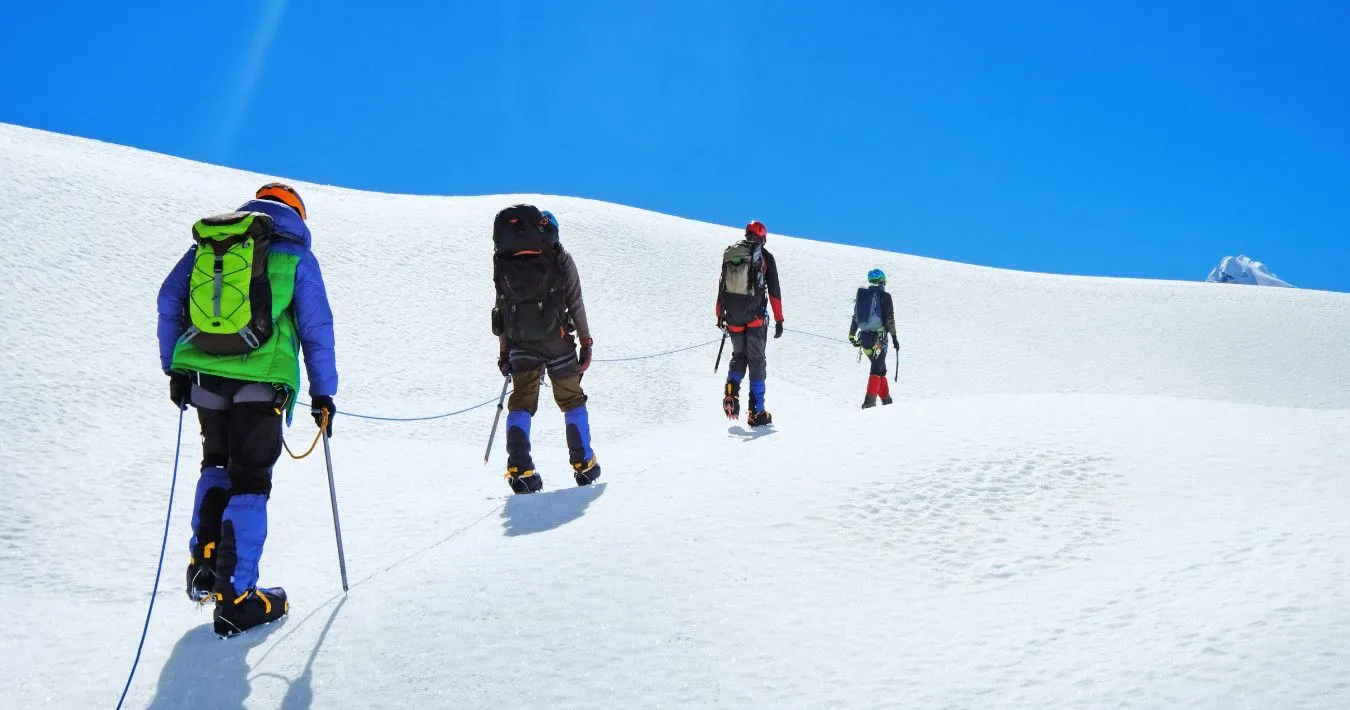
People who book a trek to the Himalayas or a tour in the Himalayas do more than just select a destination and a date. The best preparation is done before booking. When planning trips, travellers should take into consideration time, route, fitness, lodging, paperwork and the kind of support they desire on the trip. This information can make it easier to discuss with a tour operator and aid the tourist in selecting a tour that meets his or her expectations.
Decide What You Want From The Trip
Start with the experience, not the package name. It is possible for a journey to the Himalayas to be a challenging climb, a cultural tour, a sightseeing excursion or a combination of all three in the same trip. There are different degrees of preparation for each option.
Consider what interests you most. Some travellers want dramatic mountain views, while others prefer traditional villages, monasteries, local culture, or quieter trails. Knowing these priorities gives you a useful starting point when discussing suitable options with Himalayan Leisure.
Choose Dates Carefully
Travel dates can influence which Himalayan journeys are practical. Weather, temperatures, visibility and trail conditions change throughout the year, and different regions can experience those changes differently.
Think about whether your dates are fixed or flexible. A little flexibility can sometimes make it easier to choose a suitable route and travel period.
It’s a good idea to have some airspace around key flights and onward travel, too. The time spent on the road, on domestic flights or subject to changing plans can result in too much pressure on short-distance trips to the mountains.
Assess Your Fitness
There is no need to be an experienced mountaineer for each Himalayan trek, but it is necessary to have an honest evaluation of your fitness level. Walking several hours uphill sections and back-to-back days of trekking can be challenging.
Consider how well you can walk and if you have any prior experience in hiking. Try to take into account what sort of terrain and elevation you’ve already encountered if at all possible.
It’s usually better to pick a trek that is at your level rather than that which is popular or impressive.
Consider Altitude
When travelling to high altitudes, special attention should be given to altitude. The speed of ascent in the itinerary is important, but so is the highest point, and how it deals with acclimatisation.
Check where rest and acclimatisation days occur and note the overnight elevations throughout the route. Travellers with limited high-altitude experience should ask questions before confirming their itinerary.
It is also sensible to learn about basic altitude-sickness precautions and seek appropriate medical advice if you have personal health concerns related to high-altitude travel.
Know Your Comfort Preferences
Comfort means different things to different travellers. One person may be perfectly happy with basic mountain accommodation, while another may prefer private rooms and specific facilities.
Before booking, decide what matters most to you. Consider accommodation, bathrooms, meals, charging facilities, luggage arrangements, and communication access.
Being clear about these preferences allows an operator to suggest options that are more suitable instead of making assumptions about what you expect.
Prepare Questions Before Booking
A booking conversation becomes much more useful when you already know what needs clarification. Rather than asking only whether a tour is available, ask about the details that affect your experience.
Useful questions include:
- What services are included in the package?
- How long are the usual walking days?
- What accommodation is provided?
- Which permits and transfers are arranged?
- How is acclimatisation included?
- What happens if weather affects the itinerary?
A short list is enough. The purpose is to understand the trip clearly before making a commitment.
Check Documents and Insurance
Travel documents should be prepared in advance of travelling. Passports, visas, permits, photos, insurance papers or any other papers may be required, depending on the destination and itinerary.
One of the insurance types that needs special mention when it comes to adventure travel is travel insurance. Make sure that if a policy exists, it applies to the proposed activities and to relevant elevations, and do not assume that all standard travel policies are the same.
Having copies of important documents can also facilitate travel administration during travel.
Understand Package Inclusions
When you know what you are really getting into when you purchase a package, it is easier to compare prices. See if these costs nothing or if you need to pay cash. Check to see if the following services are included or must be paid for: accommodation, transportation, meals, guides, permits, airport transfers, etc.
People looking into a HimalayanLeisure package should have the same sensible strategy when reading through package information. Review the contents to see what is covered, what is not covered and to clarify anything that is not clear.
This is where it helps to have an understanding of the package as a whole, as opposed to just the advertised package price.
Leave Room for Flexibility
Mountain travel does not always follow a perfectly predictable schedule. Weather, transportation, trail conditions, or group pace can sometimes require reasonable itinerary changes.
For this reason, avoid scheduling important onward connections immediately after a demanding trek when possible. A little breathing room can make the overall journey less stressful.
Flexibility is not about expecting problems. It is simply a sensible part of planning travel in remote mountain environments.
Make an Informed Choice
Once your goals, dates, fitness level, altitude expectations, comfort preferences, documentation, and budget are clear, comparing trekking and tour options becomes much easier. You can judge itineraries according to what actually matters to you rather than choosing the first attractive package you encounter.
A well-prepared traveller should understand where the journey goes, what each day involves, what the package includes, and what preparation is expected before departure.
Conclusion
In advance of travelling to the Himalayas for a vacation, you can make the decision-making process more understandable. Don’t book an itinerary until you’ve taken into account travel objectives, travel dates, fitness, elevation, lodging requirements, paperwork, insurance and package coverage. Practical questions can also be used to determine if that trip is going to be the same as you expected it to be. Those who are researching to organise their trip in the Himalayas should visit Himalayan Leisure and avail the information to make an informed booking decision.