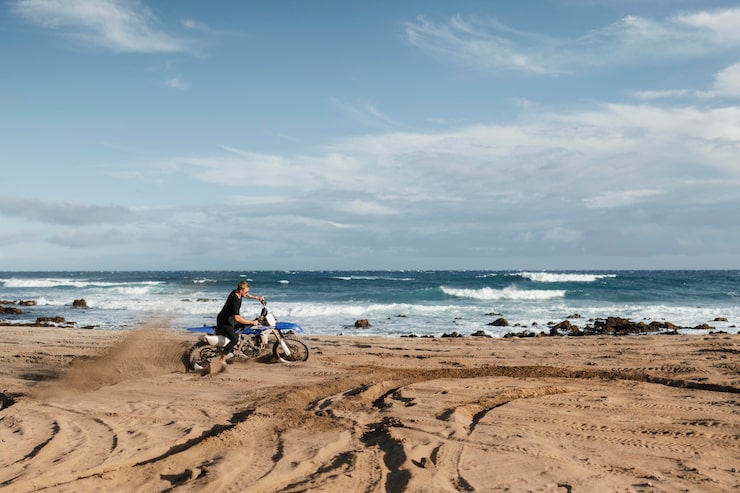
Kos reveals itself gradually. This small Greek island is not defined by spectacle, but by balance between movement and rest, history and simplicity, activity and calm. With flat cycling paths, ancient ruins scattered across open landscapes, and beaches that remain quiet even in high season, Kos invites travellers to slow down and move with intention rather than urgency.
For travellers seeking ease and simplicity, Kos holidays all inclusive often create the space to enjoy the island without distraction. A thoughtfully chosen best holiday deal can free up time for cycling along the coast, unhurried swims, and afternoons spent wandering historic sites rather than rushing between them.
A well-paced best holiday deals plan allows Kos to unfold naturally. Some companies like Travelodeal can assist with practical planning and timing, helping visitors settle into the island’s rhythm without over-structuring their days. When logistics fade into the background, the island’s true character comes forward-quiet, grounded, and refreshingly human.
Exploring by Bicycle
Kos is one of the most cycle-friendly islands in Greece. Flat terrain and dedicated coastal paths make cycling an intuitive way to explore. Riding between Kos Town and nearby beaches offers uninterrupted views of the sea, passing salt flats, olive groves, and small tavernas along the way. The absence of steep climbs keeps the experience relaxed, allowing travellers to stop whenever curiosity strikes. Cycling here feels less like exercise and more like a gentle way of observing the island’s everyday life.
Ruins Without Crowds
History in Kos feels accessible rather than overwhelming. Ancient sites appear unexpectedly-along roadside paths, near beaches, or beside modern cafés. The Asklepion, once a healing centre of the ancient world, sits quietly above the town, offering both archaeological insight and sweeping views. Roman villas, early Christian basilicas, and medieval fortifications coexist without crowd pressure, encouraging visitors to explore thoughtfully and at their own pace.
Beaches That Reward Patience
Kos offers a different beach experience than many Greek islands. Instead of dramatic cliffs or busy resort strips, the coastline unfolds in long, calm stretches. Beaches like Marmari, Tigaki, and Agios Stefanos are open and spacious, with shallow waters and wide horizons. Some are organised, others nearly empty, but all encourage long, quiet visits rather than quick stops. Swimming, reading, or simply listening to the water becomes part of the daily rhythm.
Food as a Pause, Not a Plan
Meals on Kos are rarely rushed. Local tavernas favour simple dishes made from seasonal ingredients-grilled fish, fresh salads, slow-cooked meats, and bread served without ceremony. Lunch often stretches into the afternoon, while dinner arrives late and lingers under soft lighting. Eating here is not about variety or novelty, but consistency and comfort, reinforcing the island’s slower pace.
Daily Life and Small Observations
Beyond activities and landmarks, Kos is shaped by small, repeated moments. Elderly locals cycling to markets, fishermen repairing nets near the harbour, children playing in village squares as the sun lowers-these scenes define the island more than any single attraction. Observing them requires time and stillness, qualities the island naturally encourages.
Reflection: Moving at Kos’ Speed
Kos does not demand attention; it rewards patience. By combining gentle movement, open landscapes, and quiet historical spaces, the island offers a rhythm that feels sustainable and grounding. Travellers who align with this pace often leave feeling restored rather than stimulated, carrying with them an appreciation for places that value balance over intensity. Kos reminds us that travel does not always need momentum-sometimes, it simply needs space.